The middle of the foot rarely gets star billing. Ankles twist, heels ache, toes bunion, yet a large share of persistent foot pain traces back to the midfoot. As a foot and ankle joint surgeon, I spend much of my week diagnosing precisely why a patient’s arch burns at mile three, why a once reliable work boot now feels like a vise, or why a soccer player’s foot still will not trust the ground after a tackle months ago. When the midfoot falters, everything around it compensates, sometimes in ways that masquerade as unrelated problems. Understanding this zone, and treating it with a blend of restraint and precision, is where a foot and ankle midfoot specialist earns their keep.
What the midfoot really does
The midfoot is not a single joint. It is a cluster of small, irregularly shaped bones that form two keystones of the arch, locked together by some of the strongest ligaments in the lower extremity. The navicular and cuboid sit in the front row, connecting back to the talus and calcaneus, and forward into the three cuneiforms and five metatarsal bases. Together, these joints act like a leaf spring. They store energy as the heel strikes, stiffen when the toe pushes off, then reset.
Inside this architecture, tendon forces tune the system. Tibialis posterior and peroneus longus are the lead actors, creating a dynamic sling that raises and stabilizes the arch. The plantar fascia provides a passive tie beam under the arch. When those forces balance, the midfoot shares load quietly. When they do not, the midfoot signals distress with pain on the top of the foot, along the inside of the arch, or as a deep ache that worsens with prolonged standing.
How patients describe midfoot trouble
After listening to thousands of stories, patterns emerge. Runners point to a band of soreness across the top of the foot that warms up, then stabs on hills. Retail workers say the foot feels fine in the morning, then throbs by lunch, then forces them off their feet by dinner. Parents of teenage dancers describe a nagging pain at the base of the first and second toes that refuses to quit, even with a week off. A 60 year old with a long flatfoot history talks about a shoe that used to fit now pressing on a bump along the inside arch. A soccer player recounts a midfoot twist that felt like a zipper tearing, and since then, the foot buckles when they cut.
These stories are often midfoot stories. The anatomy nearby - forefoot and hindfoot - are innocent more often than we assume. That is why a foot and ankle surgical diagnostics expert starts with the map in the mind, not the X ray.
The common culprits
Midfoot conditions cluster into a few biomechanical categories.
Lisfranc complex injuries. These include sprains and fractures at the tarsometatarsal joints, usually between the base of the second metatarsal and the cuneiforms. The classic mechanism is a twist with the foot planted. I have also seen it from a fall off a ladder rung or a heavy object landing on the foot. Mild sprains can hide on standard X rays. Unstable injuries, even if the bones are not broken, can ruin the arch if missed. A foot and ankle trauma specialist treats these like knee ACL tears - ignore them and the joint pays.
Midfoot arthritis. Repetitive overload, prior unnoticed injury, or inflammatory disease can grind down the articular cartilage at the naviculocuneiform, intercuneiform, or tarsometatarsal joints. The pain pattern is often a top of foot ache that spikes on uneven ground. People tell me they stopped walking on grass or gravel because it hurts too much. The body sometimes builds bone spurs on top, and shoes start to rub. An arthritic foot surgeon chooses carefully between preservation and fusion based on pain location and joint motion.
Flexible flatfoot that sags into rigid collapse. When tibialis posterior tendon weakens, the arch lowers, the forefoot rotates outward, and the midfoot sees more torsion than it can handle. In early stages, a foot and ankle ligament surgeon or tendon surgeon can help rehab the system. In late stages, a foot and ankle corrective osteotomy surgeon may need to rebalance bones and joints to restore alignment.
Cavus foot with lateral overload. A high arched foot tends to be rigid. It unloads the midfoot less efficiently and spikes pressure under the fifth metatarsal base and cuboid. Dancers, sprinters, and people with subtle nerve conditions often live here. Offloading and targeted muscle work help many, but a foot and ankle structural correction surgeon sometimes needs to soften the arch’s stiffness with carefully chosen osteotomies.
Stress reactions and stress fractures. The navicular and second metatarsal base are classic sites. These do not often show up on early X rays. Pain that hits with push off and refuses to fade after two to three weeks of rest deserves attention. A foot and ankle MRI guided surgeon uses imaging to separate a bone bruise from a hairline fracture that needs strict protection.
Nerve entrapment and soft tissue masses. The deep peroneal nerve can get irritated over the midfoot, creating a pinpoint burning pain between the first and second toes. Ganglion cysts from arthritic joints can bulge and mimic a bone spur. A foot and ankle cyst removal surgeon or nerve decompression surgeon often cures a problem that had been misattributed to generic arthritis.
The exam is still the compass
I do not start with an MRI. I start with stance. Watching a patient step in, I can see the arch height, how the heel tilts, whether the forefoot abducts, and whether the midfoot collapses mid stance. Gait analysis does not require a lab for the basics, although instrumented analysis with a gait analysis foot surgeon can unpack more subtle load-sharing issues in athletes or complex cases.
Hands on, I localize pain with thumb pressure over each joint line. A clean exam distinguishes a tender second tarsometatarsal joint from a sore extensor tendon or a dorsal spur. I test tibialis posterior and peroneal strength, check single heel raises for endurance, and stress the Lisfranc joint with a gentle twist that patients feel immediately if it is damaged. An experienced foot and ankle operative care expert builds a mental heat map before any imaging study appears.

Imaging earns its keep when it answers the right question. Weight bearing X rays show alignment and joint spacing. Subtle Lisfranc separations can hide unless the patient is standing. If I suspect arthritis, I look for dorsal osteophytes, narrowing, and a sclerotic joint line. CT scans help define joint block shape for fusion planning. MRI helps with stress injuries, occult edema, and tendon integrity. Ultrasound is fast and precise for guiding injections into tiny joint spaces, a skill set that matters for a foot and ankle ultrasound guided surgeon.
Non operative care that is not an afterthought
Surgery is a tool, not a reflex. Most midfoot conditions improve with well designed conservative care.
Footwear and inserts matter more than people think. A rigid forefoot rocker built into a shoe reduces painful midfoot bending. Custom orthoses add a medial post for flatfoot or a lateral post for cavus, and a metatarsal pad can move pressure off an overloaded joint. When I dial these details just right, patients sometimes cancel their surgical evaluations. A foot and ankle preservation surgeon should take that as a win.
Activity modification works when it is specific. A runner with a second metatarsal base stress reaction does better switching to cycling and deep water running than just resting. A chef who cannot avoid standing can rotate shoe types through the week to vary pressure patterns. Ice helps, but so does heat if the pain is from muscle guarding. Anti inflammatory medications help some, but stomachs and kidneys deserve respect.

Targeted therapy rebuilt many arches in my practice. Strengthening tibialis posterior with slow, controlled inversion against a band only helps if the subtalar joint stays stable. Peroneus longus activation through first ray plantarflexion drills stabilizes the medial column. Calf flexibility reduces forefoot pressure, which then reduces midfoot torque. A sports savvy foot and ankle surgical consultant often partners with a therapist who knows when to push and when to protect.
Injections have a role. A tiny volume of anesthetic into the suspected joint can confirm the pain source. A judicious steroid shot into a very arthritic tarsometatarsal joint can buy months of quieter mornings. For younger patients with a stress reaction rather than an established stress fracture, I consider biologics carefully. PRP can help tendons and fascia more than midfoot joints. Claims for stem cell injections into degenerated midfoot cartilage exceed what we can reliably promise today, and a cautious foot and ankle regenerative surgery specialist avoids overselling. Honest framing helps patients make good decisions.
Immobilization is underrated. A removable boot for 4 to 6 weeks, sometimes combined with crutches for the first 10 to 14 days, can let a stress injury solidify. For a stable Lisfranc sprain that hurts but holds alignment on standing X rays, bracing and a staged return plan often succeed. The goal is not to tough it out, but to give biology time.
Deciding when to operate
Surgery enters the picture for three main reasons. First, instability that will not heal on its own. Second, arthritis that limits daily function despite good shoes, inserts, therapy, and injections. Third, deformity that keeps overloading the same area. A foot and ankle operative specialist looks for patterns that predict failure of non operative care. When the arch keeps collapsing, when the joint clicks and shifts under stress even after bracing, or when a cyst keeps returning because the joint behind it is grinding, the odds tilt toward surgery.
Patient goals steer choices. A 28 year old center midfielder will accept a staged rehabilitation to regain dynamic stability. A 70 year old who wants to garden without pain might choose a fusion that eliminates motion at the worst joint while preserving motion elsewhere. An informed foot and ankle surgical planning specialist lays out trade offs in plain language.
Surgical options, put to the right use
Open reduction and internal fixation for Lisfranc injuries. If the second metatarsal base no longer keys into the cuneiform complex, stability must be restored. In many cases I use screws and low profile plates. For high energy injuries or delayed cases, primary fusion of the involved tarsometatarsal joints yields more consistent long term pain relief. I have revised more than one patient whose original fixation allowed just enough micro motion to keep hurting. That is not a failure so much as a mismatch of treatment to biology, and a foot and ankle revision specialist can make it right.
Targeted midfoot fusion for arthritis. Fusing one or two painful joints works well because much of the midfoot is designed to move as a unit. The key is accurate alignment and solid compression. I tell patients to expect 8 to 12 weeks before routine shoes feel normal and up to a year before the foot stops reminding them of surgery. When planned correctly, most people forget which joints were fused after that year. A foot and ankle joint fusion specialist pays attention to small angles that decide big outcomes.
Corrective osteotomies and tendon balancing. In flexible flatfoot, a calcaneal osteotomy shifts the heel under the leg, while a medial column procedure such as a cotton osteotomy or naviculocuneiform fusion lifts the arch. Sometimes I transfer a tendon to restore strength where another failed. In cavus, I may lower the first ray with a dorsal opening wedge osteotomy to share load medially and reduce lateral overuse. These operations are carpentry in service of biomechanics. A foot and ankle bone realignment surgeon thrives on millimeters, not inches.
Arthroscopy and endoscopy. True midfoot arthroscopy is less common than ankle or subtalar work, but I sometimes use endoscopic techniques to debride dorsal osteophytes or assist with tendon procedures through small portals. A foot and ankle arthroscopic specialist or endoscopic surgeon favors minimal scarring and faster soft tissue recovery when anatomy allows.
Hardware and implants. Not every foot tolerates prominent plates. I explain up front that hardware removal is sometimes part of the plan once healing is solid. A foot and ankle implant specialist chooses devices that match bone quality and soft tissue coverage. A foot and ankle hardware removal surgeon should not take removal lightly, but it is a legitimate tool for comfort in lean, active patients.
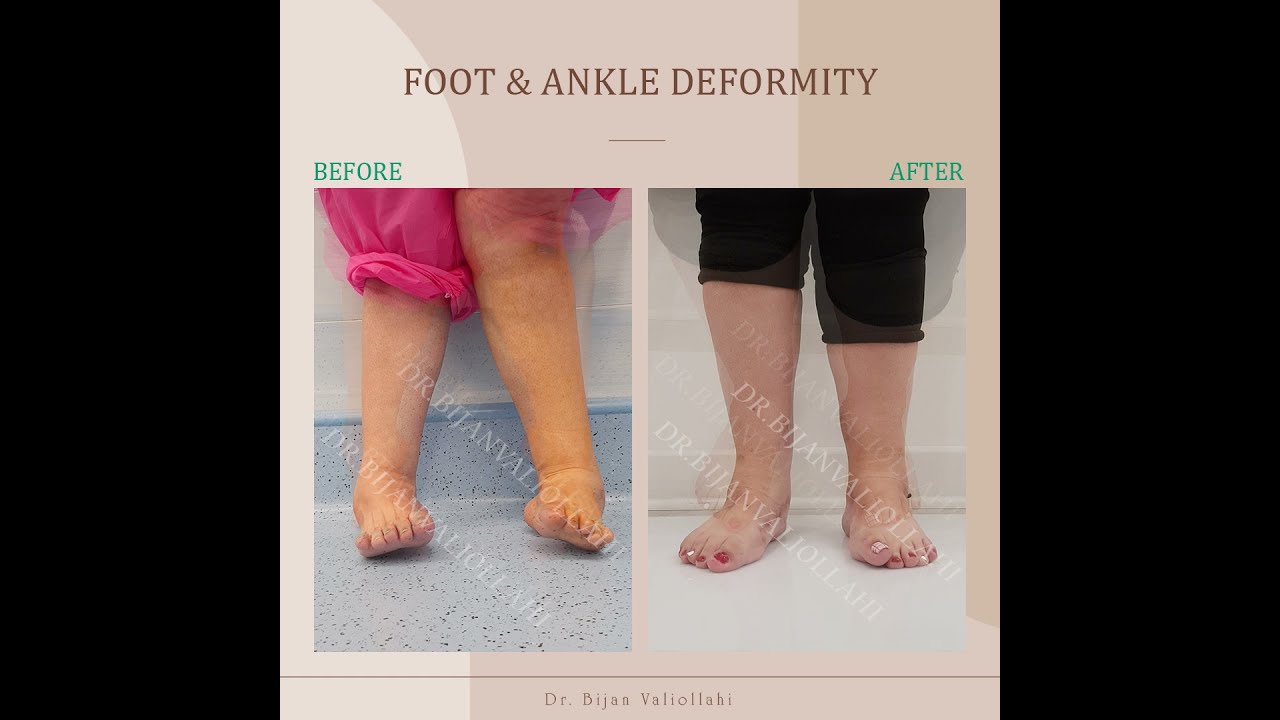
Technology and tools. Robotic guidance in midfoot surgery is not routine like in hip or spine. What helps is three dimensional planning, patient specific guides for complex osteotomies, and intraoperative imaging that confirms alignment. Laser assistance has a role in soft tissue work such as scar modulation, not in cutting bone. A robotic foot and ankle surgeon or laser assisted foot surgeon uses these tools selectively, not as marketing.
What recovery really looks like
Recovery timelines vary by procedure and by the person’s job, bone quality, and goals. Non weight bearing after midfoot fusion usually runs 6 to 8 weeks, followed by protected weight bearing in a boot for another 4 to 6 weeks. I let healthy bone share more load sooner than osteopenic bone. With Lisfranc fixation, athletes begin controlled strength work around week 6 and running drills somewhere between weeks 12 and 16 if the joint is quiet. Bone biology does not negotiate with calendars. It responds to steady, appropriate load.
Pain after midfoot surgery follows an honest pattern. The first 72 hours are demanding, then it improves in steps. By week two, most patients describe soreness at night and stiffness in the morning. Swelling persists for months, especially after a long day, and fades gradually. I warn office workers that returning at week three may feel fine in the chair but punishing by afternoon unless they elevate the foot.
Wounds matter. The skin over the midfoot is thin. Incisions need respect. A foot and ankle minimally scarring surgeon plans placements to avoid rubbing, and a foot and ankle wound care surgeon manages high risk patients carefully. Diabetics, smokers, and people with vascular disease face higher risks. A foot and ankle surgical risk evaluation doctor adjusts plans and counseling accordingly.
Complications and how to avoid them
Nonunion, hardware irritation, nerve symptoms, and residual pain are the main risks. Prevention starts with precise cuts and stable fixation, but it also lives in the details. Vitamin D status, protein intake, and realistic timelines matter. I have seen good frames fail because a patient felt great and ditched the boot too soon. I have also seen slow healers sail through because they respected the plan. A foot and ankle surgical outcomes expert tracks these variables, not just X rays.
For persistent pain after prior surgery, I look for missed pain generators. Sometimes one painful joint was fused, but the neighboring joint was the true culprit. Occasionally a tendon transfer did not restore the intended vector and kept overloading the same segment. A foot and ankle failed surgery correction surgeon approaches revisions with humility. We are not fixing a screw. We are fixing a system.
Special groups, specific wisdom
Athletes. The midfoot demands synchronized power. Return to play is less about a date and more about restoring stiffness when you push off and Caldwell foot and ankle surgeon compliance when you land. A foot and ankle sports reconstruction surgeon works with trainers to test hops, cuts, and decelerations before green lighting competition.
Pediatric and adolescent patients. Growth plates change the calculus. A foot and ankle pediatric surgery expert avoids crossing open physes with hardware unless absolutely necessary. Many adolescent midfoot pains are overuse syndromes that respond to load management and simple orthoses. That does not mean we dismiss a limping teenager. Navicular stress injuries in this age group need strict rest early to avoid chronic trouble.
Geriatric patients. Bones thin, skin bruises easily, and expectations differ. A geriatric foot and ankle surgeon often favors fusions over joint preservation when arthritis pain dominates, aiming to simplify mechanics and reduce future procedures. A cane for a month can protect a foot that has carried a person for eight decades with grace.
Diabetic and high risk patients. Neuropathy changes pressure maps. Small spurs become ulcer triggers. A foot and ankle diabetic wound surgeon or limb preservation foot surgeon balances alignment correction with soft tissue protection, often combining bony work with targeted offloading footwear and custom inserts. Healing wins over speed.
When to seek urgent help
A swollen, bruised midfoot after a twisting injury that hurts with any step should not be written off as a simple sprain. If the top of the foot looks wider than the other side, that is a red flag for a Lisfranc injury. Numbness in the toes, skin blisters from swelling, or an open wound demands emergency assessment by a foot and ankle emergency surgeon. Early reduction and stabilization prevent long term deformity.
What a first visit with a midfoot specialist feels like
Patients often arrive with a stack of shoe inserts and a trail of contradictory advice. My first job is to listen and narrow the problem to a specific joint complex or tendon. I usually obtain weight bearing X rays if none exist, then decide whether advanced imaging will change management. If non operative care has been superficial or generic, we restart with a precise plan and a timeline. If surgery is appropriate, I explain the steps, the risks, the alternatives, and the expected milestones in language that makes sense for the person in front of me.
Here is a simple, practical frame I share for deciding on next steps:
- If pain localizes to a specific midfoot joint and limits daily function despite 8 to 12 weeks of well executed non operative care, fusion of that joint is often the most reliable path to relief. If pain stems from instability after injury, and stress views or exam show shifting, surgical stabilization or fusion should be considered before scar tissue turns a simple fix into a complex case. If the foot’s overall shape drives the pain, address the shape. Inserts and therapy first, osteotomies and tendon balancing when structure refuses to cooperate.
Real world examples that shape judgment
A 35 year old firefighter came in after rolling his foot stepping off a truck. The ER X rays were called normal. Two weeks later he could not push off. Standing X rays in clinic showed a subtle widening between the second metatarsal and the medial cuneiform. The piano key test of the second ray reproduced his pain. We stabilized his Lisfranc complex with screws. He followed the plan, returned to light duty at three months, and full duty at six. Today he hikes with his kids without thinking about his foot.
A 62 year old teacher with a decade of progressive flatfoot pain tried inserts from three providers. Each helped for a month, then failed. Exam showed a collapsed medial column with pain at the naviculocuneiform joint, but decent subtalar motion. We planned a calcaneal osteotomy to shift the heel under the leg, a cotton osteotomy to lift the medial arch, and a limited fusion of the most arthritic joint. She was in a boot for 10 weeks, then in stiff shoes with inserts. At one year, she told me she walked the entire downtown art fair in comfort for the first time in years.
A collegiate sprinter had a navicular stress reaction on MRI. She had been cross training on an elliptical but kept pushing off hard with the forefoot. We moved her to deep water running and ankle isometrics for two weeks, then progressive loading with a carbon plate insert. She returned to tempo runs at eight weeks, sprints at twelve, and set a personal best that season. The decision to protect early and focus on bone friendly cross training likely saved her year.
The role of the specialist team
Midfoot problems reward collaboration. A foot and ankle bone surgeon leans on a therapist to maintain ankle dorsiflexion while protecting a healing fusion. An orthotist helps tune a rocker sole or a custom insert that unloads a tender joint. A wound care colleague steps in when skin struggles. In complex deformity, a foot and ankle advanced reconstruction expert plans steps with a surgical imaging specialist to reduce surprises. Even in routine cases, the best outcomes come from a coordinated plan carried out by people who talk to one another.
What results you can reasonably expect
For midfoot fusions performed for well localized arthritis, more than 80 percent of patients report strong pain relief and meaningful functional gains at one year. For stable Lisfranc injuries treated non operatively, most return to baseline with patience. For unstable Lisfranc injuries stabilized surgically, high level athletes regularly return to play, though some notice stiffness or occasional swelling for a season. For structural corrections, satisfaction tracks with how well we match the correction to the person’s natural mechanics. None of this is magic. It is the result of accurate diagnosis, tailored planning, and disciplined recovery.
A short guide to staying on track after surgery
- Elevate above the heart in the first two weeks, often and longer than you think. Protect the incision from pressure and friction, even if it looks great by day 10. Let milestones guide activity, not the calendar alone. Bone heals on biology’s schedule. Use shoes as tools. A stiff, rocker soled shoe shortens painful midfoot bending during reentry. Keep communication open. Early tweaks prevent late frustrations.
Final thoughts from the clinic
The midfoot does not crave attention, it craves respect. Respect for the way its small joints share load. Respect for tendons that tune its spring. Respect for warning signs when instability quietly erodes the arch. A thoughtful lower extremity surgeon balances restraint and decisiveness. My bias, shaped by years as a foot and ankle operative specialist, is to earn surgery by exhausting smart non operative steps and to execute surgery with the humility that small angles become big outcomes.
If your midfoot has been complaining day after day, it is not being dramatic. It is asking for a focused plan. With a careful exam, targeted imaging, and a clear conversation about goals, most people get back to living the way they want, not the way their foot dictates. Whether your path is inserts and therapy, a precise injection, or a fusion that ends pain at the joint, the midfoot can return to quiet service. That is the goal shared by every foot and ankle surgical consultant who pays attention to what this region needs.